

- Call for Sales Enquiries

- +91-9413034047
- +91-294-2413244
- info@pratibharefractory.com

Why Japan and Korea Buy High-Purity Quartz from India
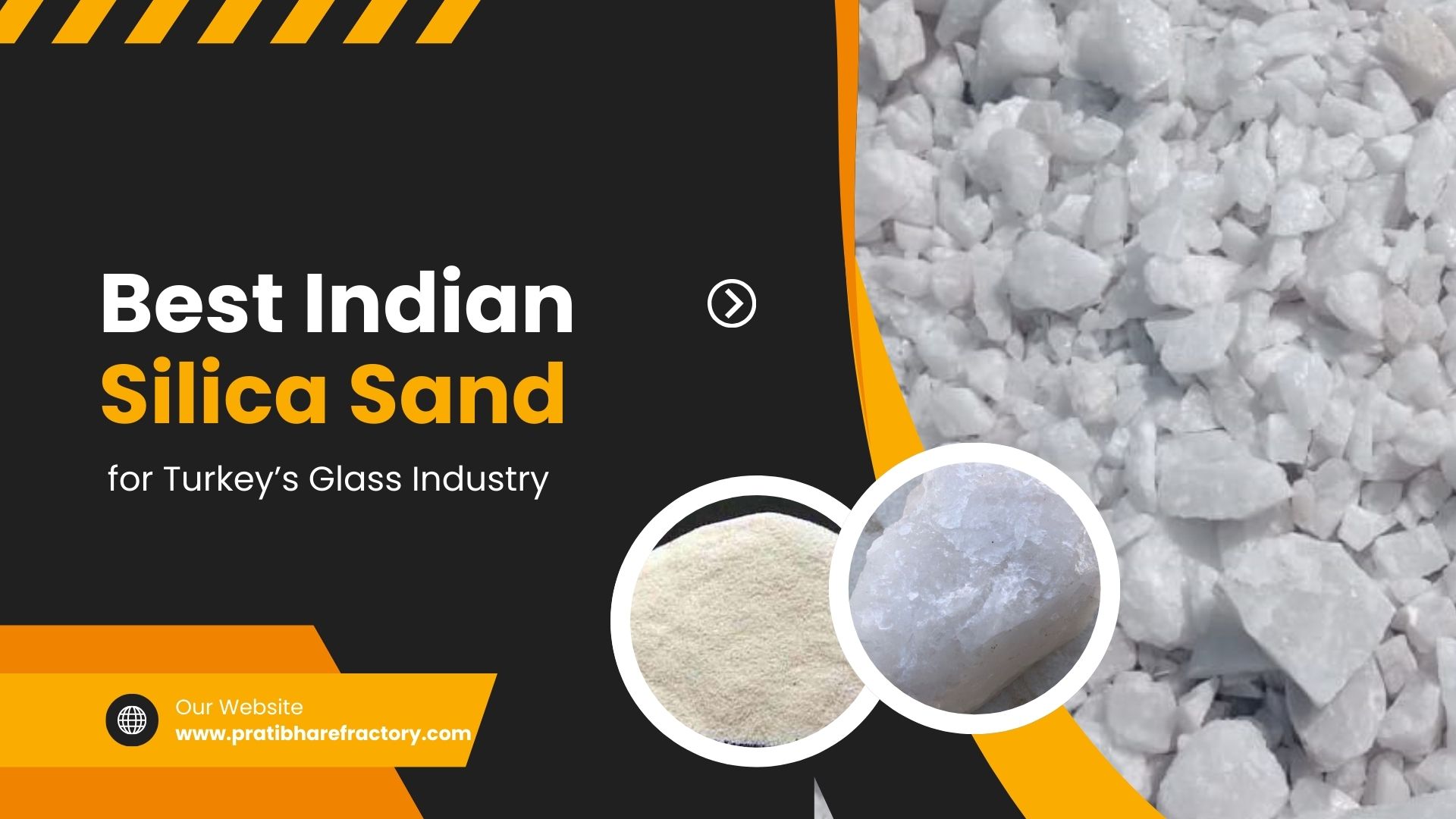
Best Indian Silica Sand for Turkey’s Glass Industry: A Comprehensive Guide
December 22, 2025
Why Turkish Importers Trust Indian Quartz Powder Manufacturers
February 2, 2026Why Japan and Korea Buy High-Purity Quartz from India
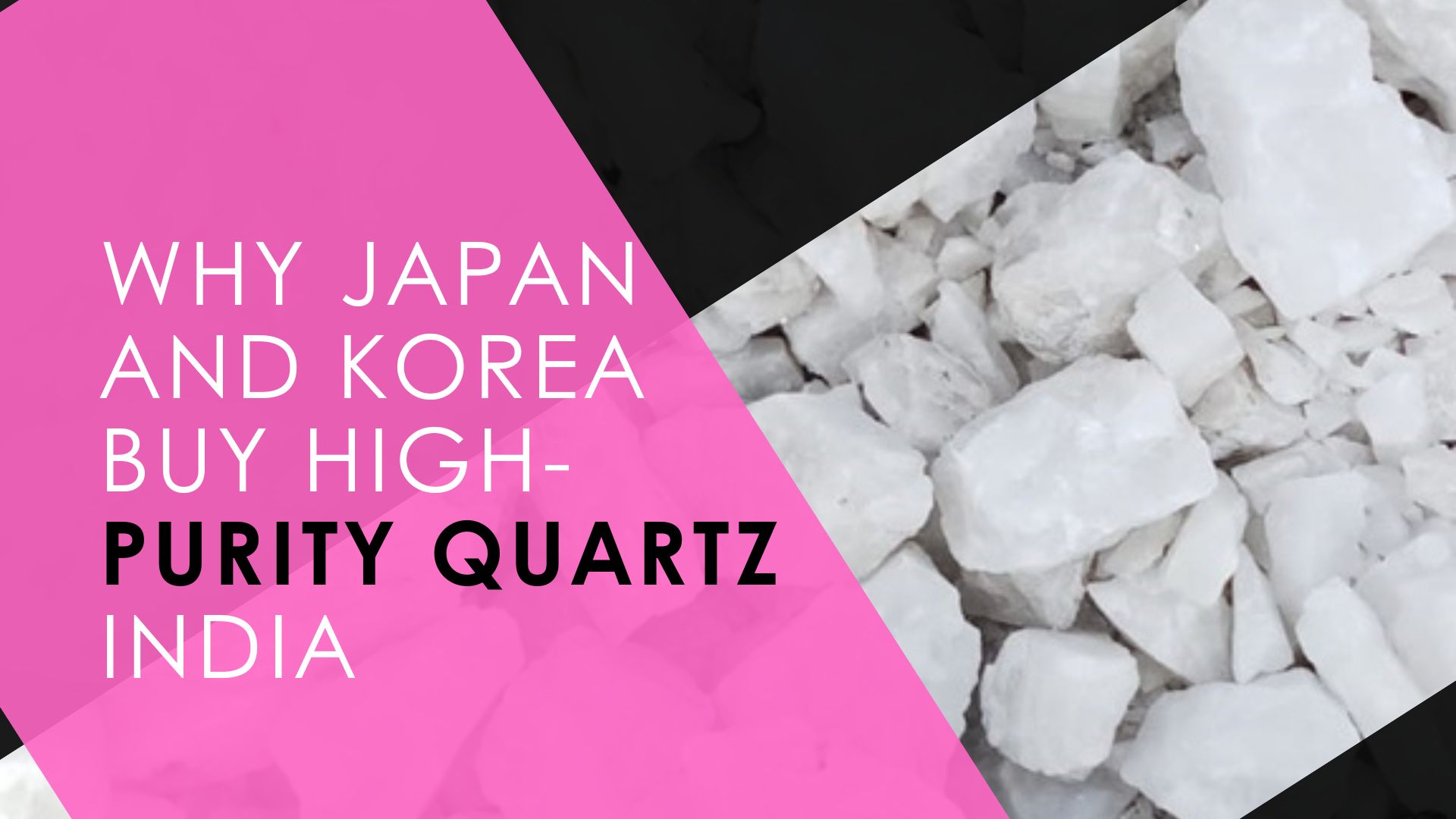
Japan and South Korea are the best in the world at making semiconductors, electronics, optics, and sophisticated materials. Both countries depend substantially on high purity quartz India as a key raw material to support these high-tech sectors. India has become one of Japan and Korea’s most trusted sources of high-purity quartz over the past 10 years since the quality is always the same, the prices are low, and the supply can be increased.
This article talks about why Japan and Korea purchase high-purity quartz from India, what technical criteria they need, and how Indian exporters like Pratibha Refractory Minerals achieve those specifications.
Why Japan and Korea Need So Much High-Purity Quartz for Electronics and Semiconductors
High-purity quartz is necessary for:
Wafers for semiconductors
- Growth of silicon crystals
- Etching and diffusion methods
Even tiny amounts of impurities can affect the performance of chips, thus Japanese and Korean manufacturers need SiO₂ quartz that is at least 99% pure.
Optical Fibres
The foundation material for optical fibre preforms is quartz. Its clarity, minimal thermal expansion, and purity all have a direct effect on the quality of signal transmission, which is very important for Japan and Korea’s telecom and data infrastructure.
Quartz Engineering
Engineered quartz surfaces are utilised in:
- Machinery with high accuracy
- Tools for cleanrooms
- Parts for industry
Need a uniform size and brightness of the particles, which Indian quartz deposits naturally have.
Solar Panels
Japan and Korea both put a lot of money into solar energy. Polysilicon, which is a major part of photovoltaic cells, is made from High-Purity Quartz.
What Makes Indian Quartz Better for Asian Markets?
High SiO₂ Content (more than 99%)
Indian quartz, especially from Rajasthan and Andhra Pradesh, has a very high silica content that meets the demanding purity standards set by Asian electronics companies.
Few Impurities
Indian exporters are good at:
- Low quantities of iron (Fe₂O₃)
- Low amounts of alumina and alkali
- Trace elements that are controlled
These traits are very important for optical and semiconductor-grade uses.
Size of the Particles is Controlled
Indian vendors can send customised particle distributions that work in processing systems, from quartz lumps to 100–500 mesh quartz powder Korea.
Natural Brightness and Whiteness
Indian quartz is noted for its bright white colour, which means it doesn’t need as many chemicals to make it look good and work well.
Japan and Korea’s Technical Requirements
Japanese and Korean consumers usually want the following rules to be followed strictly:
What Chemicals Are
- 99% to 99.9% SiO₂
- Fe₂O₃: <0.05% (for electronics, it’s usually lower)
- Al₂O₃, CaO, and MgO are all strictly controlled.
Level of Whiteness High L-value (brightness index), which is very important for:
- Making optical fibres
- Uses for high-end quartz powder
Mesh Size (100 to 500 Mesh) Some common requirements are:
- 100 mesh for fillers used in industry
- 200–325 mesh for electronics
- 400–500 mesh for very fine uses
The pH value and moisture level
- Less than 0.5% moisture
- Neutral pH, which keeps chemicals stable during processing
Popular Indian Quartz Products in Japan and Korea
High Purity Quartz Lumps from India Used for:
- Making silicon metal
- Crucibles for semiconductors
Ultra-White Quartz Dust People like:
- Companies that make electronics
- Producers of precision ceramics
Quartz that is Snow White Perfect for:
- Engineered quartz that is both ornamental and optical
- Glass for special purposes
Quartz with a lot of silica Used for:
- Panels for solar energy
- Advanced refractories
Why India Does Better Than Other Supplier Countries
Cost Efficiency
India sells high-purity quartz at prices that are competitive with those in Australia, the US, and some regions of Europe, without lowering quality.
Big Reserves
India has huge, long-term quartz reserves, which means that Japanese and Korean contracts will always have a steady supply.
Faster export lead time to ship out
Many Western suppliers can’t ship quartz to Japan and Korea as quickly as we can because we have strategic port access and established shipping routes.
ISO-certified mining
The best Indian exporters do:
- Mining and processing units that have been accredited by ISO
- Beneficiation plants with quality control
- Testing in batches in the lab
Pratibha Refractory Minerals is a reliable exporter to Japan and Korea
Pratibha Refractory Minerals is a trusted Indian supplier of high-purity quartz to Japan and Korea. They sell to electronics, semiconductor, and industrial customers.
Why People Buy Pratibha Refractory Minerals:
- The ability to supply large amounts for long-term contracts
- QC-approved batches with lab findings
- Container-safe packing (giant bags, HDPE, pallets)
- Consistently Monthly delivery schedules that stay the same
Pratibha Refractory Minerals makes sure that Indian quartz fulfils Japanese and Korean technical standards by focussing on exports and quality.
Questions and Answers: Import, Packaging, and Purity
Q1: How pure is the quartz that Japan buys from India?
Most Japanese clients want SiO₂ with a purity level of 99% or higher and very little iron for electronics and optics.
Q2: Can Indian quartz be used in semiconductors?
Yes. When prepared correctly, Indian quartz meets the standards for semiconductors and solar cells.
Q3: What kind of packing is utilised for quartz exports to Japan?
Depending on what the buyer wants, standard export packaging can be 25 kg bags, 1 MT jumbo bags, or palletised containers.
Q4: Can Indian exporters deliver the same amount every month?
Long-term, reliable supply contracts are what established exporters like Pratibha Refractory Minerals do best.