

- Call for Sales Enquiries

- +91-9413034047
- +91-294-2413244
- info@pratibharefractory.com

Quartz Powder for Ceramic Manufacturers: Grades, Specifications & Bulk Supply

8 Industries That Depend on Silica Sand (+ Grade Requirements)
August 12, 2026
Bulk Dolomite Powder Supplier & Exporter India
August 22, 2026Quartz Powder for Ceramic Manufacturers: Grades, Specifications & Bulk Supply
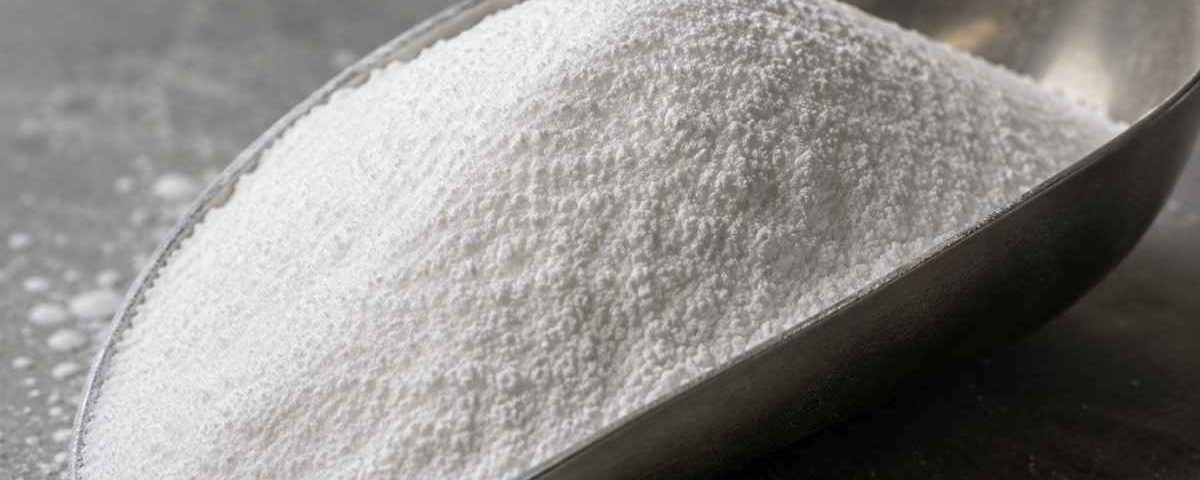
Quartz powder plays a foundational role in ceramic manufacturing, contributing silica content that influences firing behaviour, dimensional stability, and the overall performance of the finished product. For ceramic manufacturers and procurement teams, selecting the right quartz powder is not just about sourcing a raw material – it is about matching grade, particle size, chemical composition, and supply consistency to a specific formulation and production process.
Choosing quartz powder on price alone can introduce variability into production. Ceramic manufacturers are better served by evaluating quartz powder against their specific application, formulation requirements, and quality benchmarks, and by working with a supplier who can support that evaluation with technical clarity and consistent bulk supply.
What Is Quartz Powder and Why Is It Used in Ceramic Manufacturing?
Quartz powder is a finely ground, silica-based mineral product used across a range of industrial applications, including ceramics. In ceramic manufacturing, it is valued for the properties it can contribute to a formulation when correctly selected and dosed:
- Silica contribution: quartz powder is a source of SiO₂, a key component in many ceramic bodies and glazes.
- Temperature resistance: silica-based minerals are commonly used in formulations that need to withstand high firing temperatures.
- Dimensional stability: consistent mineral content can support more predictable shrinkage and firing behaviour.
- Control of thermal expansion: quartz powder can be used to help balance a formulation’s thermal expansion characteristics.
- Contribution to strength and durability: as part of a wider formulation, quartz powder can support the structural performance of the fired product.
- Use across formulations: quartz powder is used in varying proportions depending on the specific ceramic body, glaze, or product type.
The exact contribution of quartz powder depends on the formulation it is used in, the grade selected, and how it is processed alongside other raw materials – manufacturers should validate performance for their own specific application.
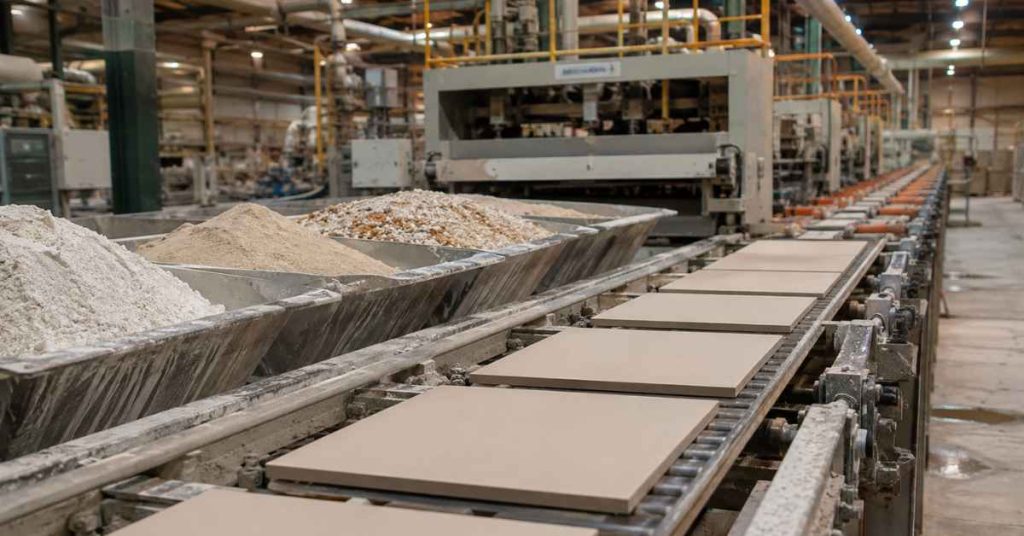
Applications of Quartz Powder in the Ceramic Industry
Quartz powder is used across several segments of ceramic manufacturing, with requirements varying by application:
Ceramic Tiles (Floor and Wall)
Tile manufacturers use quartz powder as part of body and glaze formulations, where particle size and iron content are typically closely monitored to support consistent firing results.
Sanitaryware
Sanitaryware formulations often require attention to whiteness and chemical purity, given the visual and functional finish expected of these products.
Tableware
Tableware manufacturing can call for finer, more consistent grades where appearance and surface quality are important.
Ceramic Bodies and Glazes
Beyond specific product categories, quartz powder is used more broadly within ceramic bodies and glaze formulations as a silica source, with the exact specification depending on the formulation being developed.
Other ceramic manufacturing applications may also use quartz powder in varying capacities – buyers working on specialised formulations are encouraged to discuss their exact requirements with a supplier.
Quartz Powder Grades for Ceramic Manufacturing
Different ceramic applications can call for different quartz powder grades. Grade selection is typically influenced by several factors working together rather than any single parameter in isolation:
- Purity of the quartz source
- Particle size and mesh size
- Whiteness or colour characteristics
- Moisture content
- Fe₂O₃ (iron) and other trace element levels
- Al₂O₃ and other relevant chemical parameters
- Consistency between production batches
Because specifications can vary based on application, formulation, and buyer requirements, ceramic manufacturers should request a technical datasheet and confirm exact grade parameters directly with the supplier rather than assuming a standard specification applies across all use cases.
Key Quartz Powder Specifications Ceramic Buyers Should Check
Before finalising a supplier or placing a bulk order, ceramic buyers should review the following parameters:
| Parameter | Why It Matters to Ceramic Buyers |
| SiO₂ content | Silica purity influences the mineral’s contribution to the ceramic body or glaze; buyers should confirm the SiO₂ range against their formulation needs. |
| Fe₂O₃ (iron) content | Lower iron levels are generally preferred where whiteness and firing colour are important, such as in tile bodies and sanitaryware. |
| Particle size / mesh | Particle size affects how the powder disperses in a formulation, packing density, and how it behaves during milling and firing. |
| Moisture content | Excess moisture can affect handling, dosing accuracy, and consistency during batching. |
| Whiteness | Relevant for applications where fired colour or glaze clarity matters, such as tableware and premium tiles. |
| Bulk density | Impacts storage, dosing, and transport calculations for high-volume production lines. |
| Chemical consistency | Batch-to-batch chemical stability reduces the need for formulation adjustments during production. |
| Physical consistency | Uniform particle distribution across shipments supports predictable processing behaviour. |
Need help selecting the right quartz powder grade? Talk to our team.
How to Choose the Right Quartz Powder for Your Ceramic Application
A structured evaluation process helps reduce the risk of formulation issues later in production:
- Identify the ceramic application (tiles, sanitaryware, tableware, glaze, or ceramic body).
- Define the required particle size for your process.
- Establish the chemical composition requirements for your formulation.
- Check iron and other impurity levels relevant to appearance and firing behaviour.
- Evaluate the supplier’s ability to maintain batch-to-batch consistency.
- Request a technical datasheet before committing to an order.
- Test samples in your own formulation before bulk procurement.
- Confirm packaging and delivery requirements suited to your production schedule.
- Discuss minimum order quantities and ongoing supply capacity with the supplier.
Quartz Powder for Tiles vs Other Ceramic Applications
Requirements for quartz powder are not identical across every ceramic application. Tile manufacturing, sanitaryware, tableware, and other ceramic products can each place different emphasis on particle size, whiteness, chemical purity, and consistency, depending on the visual finish and performance expected of the end product.
Because of this, manufacturers should avoid assuming that a single grade or specification will work universally across product lines. Instead, requirements should be assessed application by application, with the supplier providing guidance on which specification fits which use case.
Why Consistent Quartz Powder Quality Matters in Bulk Ceramic Production
For manufacturers running continuous or high-volume production, consistency in raw material quality has a direct impact on operations:
- Batch-to-batch consistency reduces the need for repeated formulation adjustments.
- Stable raw material input supports more predictable production outcomes.
- Reliable quality control reduces the risk of rejected batches or rework.
- Reduced formulation variation supports tighter process control.
- Dependable procurement reduces the operational risk of supply interruptions.
- Predictable material behaviour supports more accurate production planning.
For manufacturers sourcing quartz powder at scale, working with a supplier who can demonstrate consistent quality practices is as important as the specification itself.
How to Evaluate a Quartz Powder Supplier in India
When assessing potential quartz powder suppliers, ceramic manufacturers should look beyond price and consider the following checklist:
- Product quality and adherence to stated specifications
- Availability of clear technical specifications and datasheets
- Testing and quality control processes
- Demonstrated consistency of supply over time
- Production capacity relative to your order volumes
- Packaging options suited to your logistics and storage
- Ability to handle bulk industrial orders
- Delivery capability and reliability
- Availability of technical support for formulation queries
- Willingness to accommodate custom specifications where feasible
Pratibha Refractory Minerals works with ceramic manufacturers to understand application-specific requirements and align quartz powder supply accordingly. Buyers are encouraged to share their formulation and specification needs directly so the right grade can be discussed.
Looking for reliable bulk quartz powder supply? Request product details or a quotation.
Bulk Quartz Powder Supply for Ceramic Manufacturers
Before placing a bulk order, it is good practice for B2B buyers to clarify the following with their supplier:
- Required quantity and expected order frequency
- Grade and mesh/particle size needed
- Technical specifications relevant to your formulation
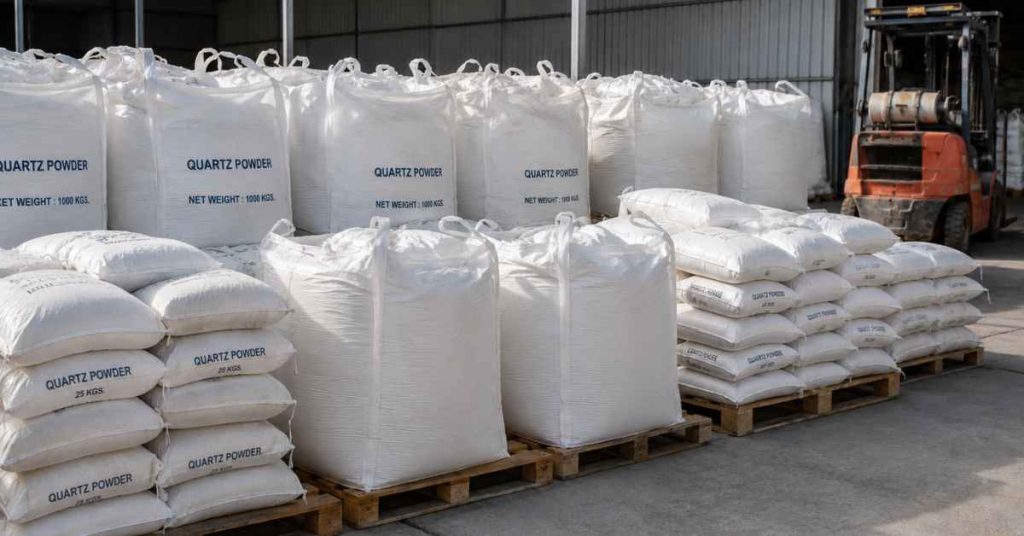
- Packaging requirements (bags, bulk bags, or other formats)
- Delivery location and logistics
- Expected lead time for production and dispatch
- Sample approval process before committing to bulk volumes
- Quality documentation accompanying each shipment
Clarifying these points upfront helps ensure the supply arrangement fits your production schedule and quality requirements from the first order onward.
Share your application, required specification and quantity with Pratibha Refractory Minerals to discuss your bulk quartz powder requirement.
Frequently Asked Questions
What type of quartz powder is used in ceramic manufacturing?
Ceramic manufacturers typically use processed silica-rich quartz powder, ground and graded to suit the specific body, glaze, or application. The exact type and grade should be confirmed with the supplier based on the buyer’s formulation.
Which quartz powder grade is suitable for ceramic tiles?
Tile manufacturers generally require a grade with consistent particle size and controlled iron content to support firing behaviour and appearance. Exact grade selection depends on the tile body composition and should be discussed with the supplier.
What specifications should ceramic manufacturers check?
Key parameters include SiO₂ content, Fe₂O₃ content, particle size or mesh, moisture, whiteness, bulk density, and batch-to-batch consistency, as outlined in the specifications table above.
Why is SiO₂ content important in quartz powder?
SiO₂ content indicates silica purity, which affects the mineral’s contribution to the overall formulation. Buyers should confirm the specific range required for their process.
Does particle size affect ceramic manufacturing?
Yes. Particle size can influence dispersion, packing density, and processing behaviour, so it should be matched to the specific application and equipment used.
How do I choose a quartz powder supplier in India?
Evaluate suppliers on product quality, technical documentation, testing and QC processes, consistency of supply, production capacity, and their ability to support bulk and custom requirements.
Can quartz powder be supplied in bulk?
Yes, quartz powder is commonly supplied in bulk for industrial ceramic production. Buyers should clarify quantity, packaging, and delivery requirements directly with the supplier.
Should manufacturers test a sample before bulk ordering? Yes. Requesting a sample and technical datasheet before committing to a bulk order is a standard and recommended practice to confirm the material performs as required in your formulation.